Elevator Safety and Maintenance Training for RWAs & AOAs
Building a safer residential environment through awareness, compliance, and preventive maintenance.
Elevator safety is a shared responsibility. Proper awareness and structured training for Resident Welfare Associations (RWAs), Apartment Owners Associations (AOAs), maintenance teams, and residents can significantly reduce operational risks and improve safety standards in residential communities.
Why Elevator Safety Training Matters
In my previous article titled “A Wake-Up Call: The Alarming Failure of Elevators”, I discussed the increasing number of elevator failures across the country. These incidents have highlighted growing concerns regarding safety, regulatory compliance, preventive maintenance, and the responsibilities of stakeholders involved in managing residential buildings.
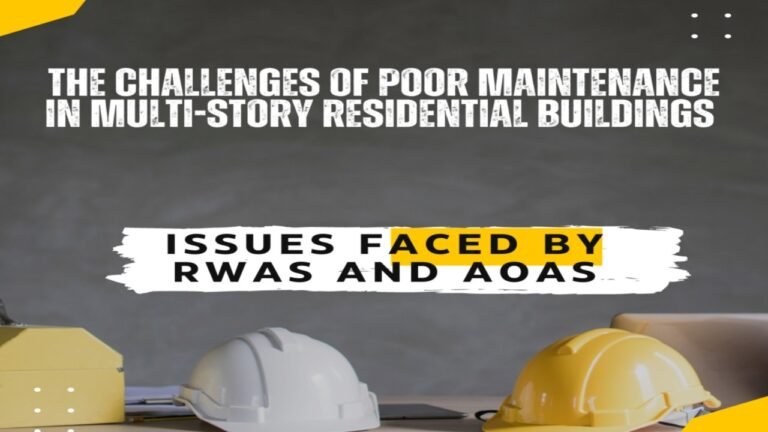
Resident Welfare Associations (RWAs) and Apartment Owners Associations (AOAs) play a vital role in ensuring elevators are operated safely, inspected regularly, and maintained according to applicable standards. A well-informed management committee is better equipped to make informed decisions that enhance resident safety while minimizing operational risks.
Importance of Certification Training
Structured certification programmes help RWAs, AOAs, and maintenance personnel understand the essential aspects of elevator safety, legal compliance, routine inspections, and emergency preparedness. These programmes encourage proactive maintenance rather than reactive repairs.
Typical Training Modules
- Fundamentals of elevator safety
- Applicable regulations and statutory compliances
- Understanding elevator components and their functions
- Routine maintenance and inspection procedures
- Emergency response and passenger safety protocols
- Interactive question-and-answer sessions with experts
Recommended Participation
These certification programmes should be made mandatory for:
- Maintenance staff responsible for elevator operations.
- Members of Resident Welfare Associations (RWAs).
- Apartment Owners Association (AOA) office bearers.
While mandatory participation is recommended for management and maintenance teams, residents should also be encouraged to learn the basic principles of elevator safety. Awareness among residents contributes to safer everyday usage and better emergency response.
Benefits of Regular Training
| Benefit | Impact |
|---|---|
| Improved Safety Awareness | Reduces unsafe practices and promotes responsible elevator usage. |
| Preventive Maintenance | Helps identify potential issues before they become serious failures. |
| Regulatory Compliance | Supports adherence to applicable safety regulations and maintenance standards. |
| Emergency Preparedness | Enables quicker and more effective responses during elevator emergencies. |
“Elevator safety begins with awareness. Regular training empowers communities to prevent accidents rather than respond to them.”
The Role of OEMs
Original Equipment Manufacturers (OEMs) can further strengthen elevator safety by organizing awareness campaigns and certification programmes for residential communities as part of their corporate social responsibility initiatives. Such collaborations can improve knowledge sharing, encourage best practices, and promote a stronger culture of safety.
Key Takeaways
- RWAs and AOAs are critical stakeholders in elevator safety.
- Regular certification training improves operational safety and compliance.
- Maintenance teams should receive mandatory training.
- Residents should be encouraged to understand basic elevator safety practices.
- OEM-led awareness initiatives can contribute to safer residential communities.
Conclusion
Elevator safety extends beyond equipment maintenance—it requires informed decision-making, regular inspections, continuous training, and active participation from everyone involved. By investing in structured training programmes for RWAs, AOAs, maintenance teams, and residents, residential communities can significantly reduce risks, improve compliance, and create a safer environment for all.