
The Challenges of Poor Maintenance in Multi-Storey Residential Buildings
Issues Faced by RWAs and AOAs
India’s rapid urbanization has led to an explosion in multi-storey residential buildings, particularly in burgeoning metropolitan areas. These high-rise structures are a testament to the country’s growth, but they also present unique challenges, especially regarding maintenance. The poor upkeep of these buildings has become a pressing issue, with significant consequences for residents and the communities that manage these properties. Residents’ Welfare Associations (RWAs) and Apartment Owners Associations (AOAs) are at the forefront of managing these issues, but they often face considerable hurdles.
The State of Maintenance
Poor maintenance in multi-storey residential buildings is a multifaceted problem. Many of these structures suffer from issues such as:
-
1Structural Degradation
Inadequate maintenance can lead to serious structural problems, including cracks in walls, leaks in ceilings, and deteriorating foundations. Such issues not only affect the safety of the building but can also reduce its value.
-
2Plumbing and Electrical Failures
Aging or improperly maintained plumbing and electrical systems are common in many buildings. Leaky pipes, frequent power outages, and malfunctioning elevators are typical problems faced by residents.
-
3Hygiene and Sanitation Issues
Garbage management, pest control, and cleanliness of common areas are often neglected, leading to unhygienic conditions that can affect residents’ health.
-
4Safety Hazards
Many buildings lack proper fire safety measures, and emergency exits or fire alarms may not be well maintained, posing serious risks in case of emergencies.
Challenges Faced by RWAs and AOAs
RWAs and AOAs play a crucial role in maintaining multi-storey residential buildings. They are responsible for managing common areas, ensuring the upkeep of shared facilities, and handling various administrative tasks. However, they face several significant challenges:
-
1Lack of Funding
One of the primary issues is the lack of adequate funds available to RWAs and AOAs for regular upkeep and repairs. Maintenance costs are often underestimated, and collecting maintenance dues from residents can be contentious.
-
2Administrative Hurdles
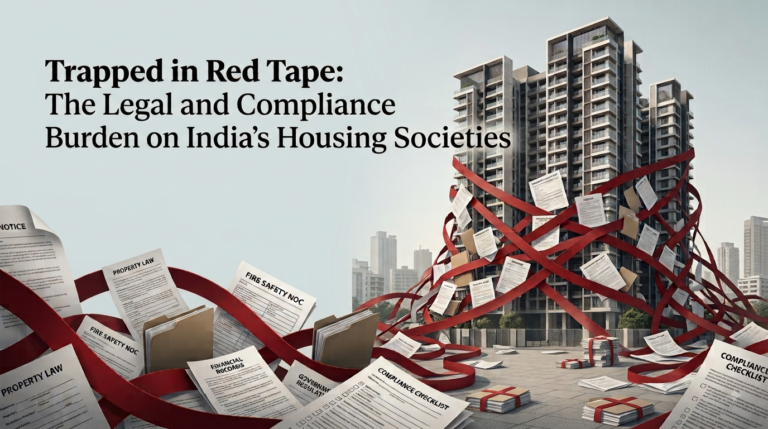
RWAs and AOAs often lack the ability or understanding of the compliance requirements regarding various laws and regulations governing residential societies. Fire and elevator NOCs, society registration renewals, electricity loads, building insurance, and their linkage with NOCs and timely renewals are a few critical examples. In some cases, the unavailability of a complete set of as-built drawings hinders their ability to address maintenance issues promptly and effectively.
-
3Diverse Interests
In multi-storey residential buildings, residents often have diverse interests and expectations. Balancing these varying opinions can lead to conflicts, making decision-making and the implementation of maintenance plans challenging.
-
4Legal and Regulatory Issues
The legal framework for the maintenance of residential buildings can be complex and varies from state to state. Navigating these regulations and ensuring compliance can be daunting for RWAs and AOAs.
-
5Professional Expertise
Many associations lack access to professional expertise in building maintenance, often resulting in subpar repair work and poor long-term solutions. A lack of funds, short-sighted actions, and insufficient expertise lead to the poor health of a building.
-
6Communication Gaps
Effective communication between residents and management is crucial. Miscommunication or lack of transparency can lead to misunderstandings and dissatisfaction among residents.
“Addressing these challenges requires a multi-pronged approach — from preventive measures and professional training to stronger legal frameworks and smarter funding mechanisms.”
Moving Towards Solutions
Addressing these challenges requires a multi-pronged approach:
Implementing Preventive Measures and Practicing “Safety First”
- Scheduled Inspections: Creating a routine for annual inspections of common areas and essential systems (e.g., HVAC, plumbing) can help identify issues early. For example, a checklist could be developed to ensure thorough evaluations.
- Maintenance Logs: Keeping detailed records of maintenance activities and issues can help track recurring problems and inform future budgeting. A digital log accessible to all residents could enhance awareness and participation.
- Creating Functional Expert Committees: Establishing committees of residents with well-defined priorities can help ensure continued surveillance while minimizing dependency on external agencies unless critical professional services are required.
- Communication: Sharing schedules, SOPs, and their status with residents would help build trust, ensure compliance, and transfer knowledge to residents.
Training and Capacity Building
- Workshops and Seminars: Hosting regular training sessions for RWAs and AOAs can cover topics like conflict resolution, budgeting, and legal rights.
- Training for Field Maintenance Staff (Plumbers, Electricians, and Housekeeping): It’s important to ensure mandatory provisions within residential societies for specialized training on safety protocols, effective cleaning techniques, proper use of cleaning equipment, risk assessment, and troubleshooting for security, plumbing, electrical work, and housekeeping staff. Regular field workshops on the latest plumbing, carpentry, and electrical techniques, as well as effective troubleshooting for common issues. This will equip staff to handle challenges efficiently and maintain high standards. Many online skill development courses and certifications are available for technical staff.
- Online Courses: Many online platforms offer courses on property management that can provide essential skills. For example, a certification program in property management could be introduced for members of RWAs.
Procuring Professional Services
- Partnerships with Service Providers: Creating partnerships with reputable maintenance companies can ensure reliable services. For example, a community could negotiate bulk contracts for plumbing, electrical, or landscaping services at a reduced rate.
- Regular Reviews of Services: Implementing a feedback system where residents can rate service providers can ensure accountability and high standards. An online platform for resident reviews could enhance transparency.
Platform to Exchange Best Practices
- RWA Associations and Local Governments: Develop platforms for RWAs to connect frequently and exchange best practices to support each other in efficient functioning.
- Regular Meetings and Forums: Holding monthly or quarterly meetings where residents can voice concerns and suggest improvements fosters transparency. Hosting town hall-style gatherings can encourage active participation from all members.
Funding Mechanisms
- Efficient Collection Systems: Implementing automated payment systems (e.g., mobile apps) can make it easier for residents to pay their dues on time. For instance, a community could adopt a monthly billing cycle with reminders to improve cash flow.
- Alternative Funding Options:
- Special Assessments: When unexpected repairs arise, a one-time special assessment could be levied on homeowners. For example, if a roof needs urgent repairs or external plaster painting needs to be done, this method can quickly generate necessary funds.
- Fundraising Groups: Special working groups could be formed of interested residents to help raise funds by selling advertising space in high-traffic areas such as entrance and exit gates, lifts, community centers, clubhouses, and recreational areas.
Strengthening Legal Frameworks
- Clear Guidelines: Local governments can draft and publish clear guidelines on the responsibilities of residents and associations, including maintenance schedules and compliance checks. This can help prevent disputes over maintenance responsibilities.
- Support Mechanisms: Establishing a legal aid program for associations can assist them in understanding and navigating property laws. For instance, providing access to legal advisors for free or at a reduced rate can empower associations to enforce rules.
Final Thoughts
The maintenance of multi-storey residential buildings in India is a complex issue that affects both the safety and quality of life for residents. While RWAs and AOAs are crucial in managing these buildings, they face significant challenges that can impede their effectiveness. Addressing these issues requires a concerted effort from residents, associations, and authorities to create sustainable solutions and ensure that urban living in India remains safe, comfortable, and enjoyable.


This is very relevant article for modern high rise apartments